Angelica Holy Ghost
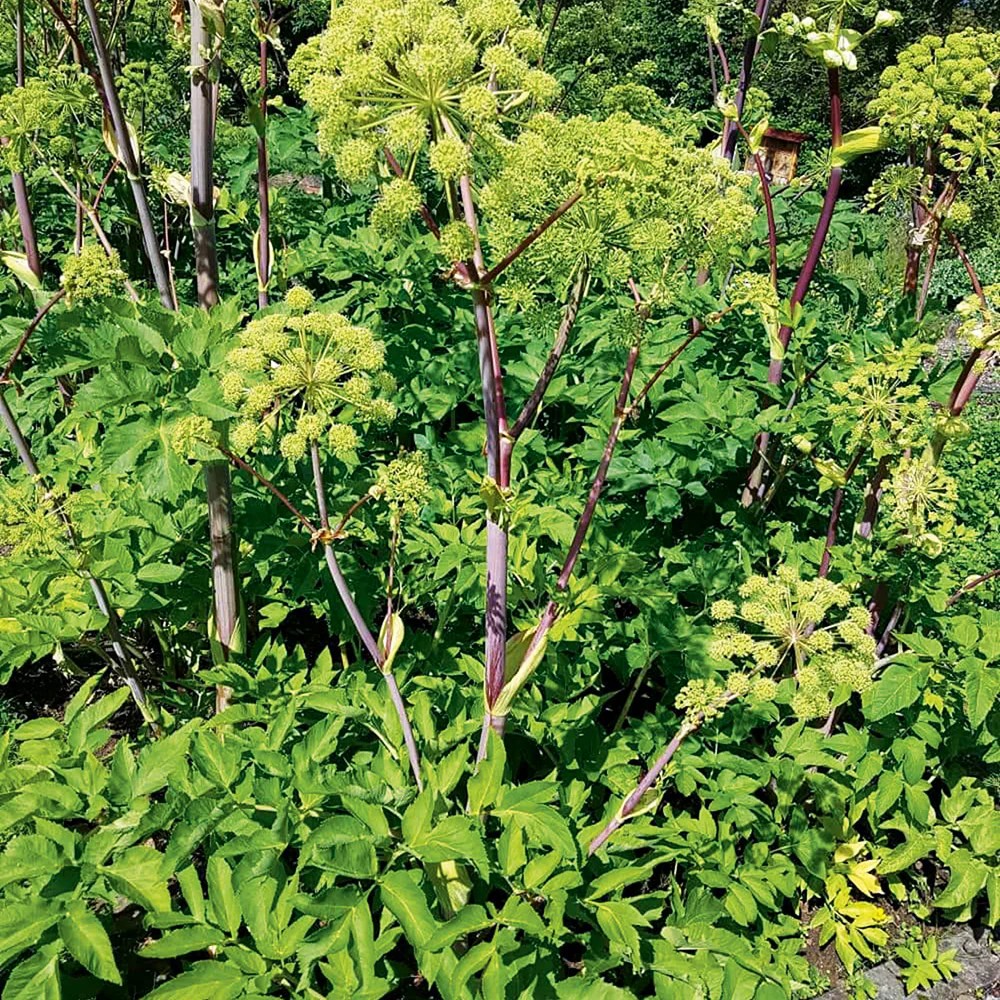
A versatile age old culinary and medicinal plant with a pleasant mild licorice flavour. Native to Northern Europe, its young leaves can be used in salads, its stems peeled and eaten like celery, its seeds steeped for teas and the root for making a decent gin.
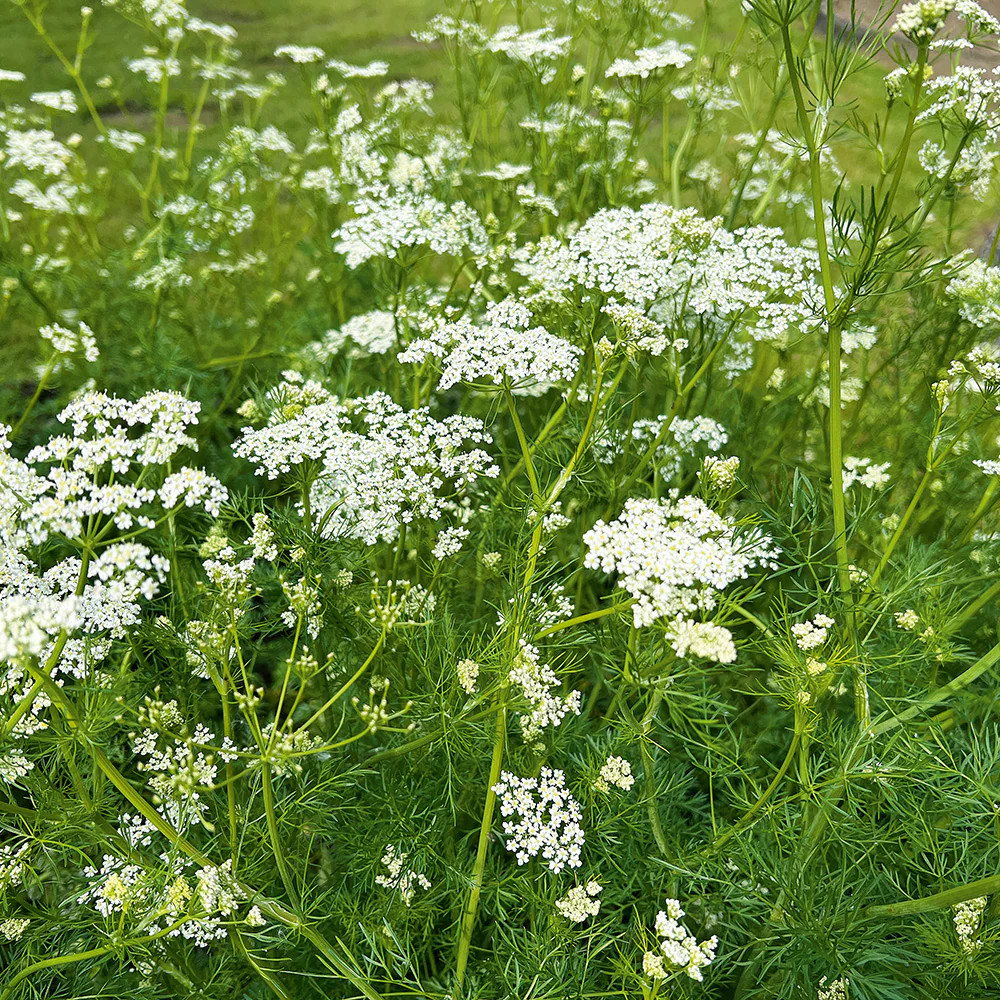
Being biennial, the first year a well branched plant forms, the second year an umbel flower head sets for the bees and beneficial insects to enjoy.
Commonly known as angelica, garden angelica, wild celery and Norwegian angelica.
Angelica thrives in cool, damp, and partly shaded conditions. It is native to northern Europe and thrives in habitats that mimic its natural environment, such as moist woodlands and riverbanks.
Best grown from fresh seed, as seed viability decreases quickly. Seeds need light to germinate and often require a cold period (stratification) to break dormancy.
Stratify: Chilling seeds in the fridge for 2-3 weeks prior to sowing will promote germination by breaking seed dormancy.
Surface Sow: Requires light to germinate. Sow seed on the surface. Press seed down into the soil. Keep moist.
Note: Medicinal use of herbs requires thorough research. We advise checking with a medical professional particularly if pregnant, breastfeeding or on medication.
A versatile age old culinary and medicinal plant with a pleasant mild licorice flavour. Native to Northern Europe, its young leaves can be used in salads, its stems peeled and eaten like celery, its seeds steeped for teas and the root for making a decent gin.
Being biennial, the first year a well branched plant forms, the second year an umbel flower head sets for the bees and beneficial insects to enjoy.
Commonly known as angelica, garden angelica, wild celery and Norwegian angelica.
Angelica thrives in cool, damp, and partly shaded conditions. It is native to northern Europe and thrives in habitats that mimic its natural environment, such as moist woodlands and riverbanks.
Best grown from fresh seed, as seed viability decreases quickly. Seeds need light to germinate and often require a cold period (stratification) to break dormancy.
Stratify: Chilling seeds in the fridge for 2-3 weeks prior to sowing will promote germination by breaking seed dormancy.
Surface Sow: Requires light to germinate. Sow seed on the surface. Press seed down into the soil. Keep moist.
Note: Medicinal use of herbs requires thorough research. We advise checking with a medical professional particularly if pregnant, breastfeeding or on medication.
Original: $2.92
-70%$2.92
$0.88Description
A versatile age old culinary and medicinal plant with a pleasant mild licorice flavour. Native to Northern Europe, its young leaves can be used in salads, its stems peeled and eaten like celery, its seeds steeped for teas and the root for making a decent gin.
Being biennial, the first year a well branched plant forms, the second year an umbel flower head sets for the bees and beneficial insects to enjoy.
Commonly known as angelica, garden angelica, wild celery and Norwegian angelica.
Angelica thrives in cool, damp, and partly shaded conditions. It is native to northern Europe and thrives in habitats that mimic its natural environment, such as moist woodlands and riverbanks.
Best grown from fresh seed, as seed viability decreases quickly. Seeds need light to germinate and often require a cold period (stratification) to break dormancy.
Stratify: Chilling seeds in the fridge for 2-3 weeks prior to sowing will promote germination by breaking seed dormancy.
Surface Sow: Requires light to germinate. Sow seed on the surface. Press seed down into the soil. Keep moist.
Note: Medicinal use of herbs requires thorough research. We advise checking with a medical professional particularly if pregnant, breastfeeding or on medication.